Translate
Wednesday, 3 February 2016
Gym Junkies.
The good news is: evidence is firmly in place regarding the health benefits of red wine!
Resveratrol, a compound found in red wine, helps to remove chemicals from the body responsible for causing blot clots, which is the primary cause of coronary disease, added to which, studies revealed that those who drink a glass of red wine a day are less likely to develop dementia, diabetes and even cancer.
Recent studies conclude that Resveratrol was also seen to improve physical performance, heart function and muscle strength in the same way as they're improved after a gym session! Incredibly good news if you abhor gyms as I do.
These days everyone seems to be gym junkies, forget a brisk walk, a bike ride or doing a few laps in the pool, everyone's pumping iron and working out with their personal trainer. Personally I can't think of anything worse, most gyms smell like a tyre plant with white noise blaring from speakers and the shower rooms are breeding grounds for bacteria, added to which, I just can't stand the whole elite athlete/ benign masochist vibe.
I guess we can all look at ways to promote our health, but as the old Dave Allen joke used to go: 'I've given up smoking, drinking and eating red meat, I may not live longer but it'll certainly feel like it.' I don't want to spend a moment of my life in a sweaty, stuffy gym by the same premise.
It would be wonderful to replace the gym with red wine, however, the recommendation is 1 glass a day with at least 30 minutes of physical activity such as a brisk walk. This combination seems to work very well for Spaniards, large consumers of red wine, Spaniards are also keen walkers as it is seen as a social activity. I recently met a gentleman in his 80s taking a post prandial stroll, he told me that since a young man he has always had a glass of red wine every day and had cycled and walked regularly, naturally, he has eaten a typical Mediterranean diet including lots of fish, vegetables and olive oil, needless to say, he's never been in a gym.
Along with my daily glass of red wine I have made a conscious effort to have a meal of fresh vegetables at least twice a week, no meat, no carbohydrates, just lots of lovely fresh seasoned vegetables. If this is your main meal of the day you could indulge in some grilled fish or chicken to accompany your vegetables.
Vegetable medley
Recipe
3 large leeks
A large handful of peas (fresh or frozen)
A large bunch of spinach
Olive oil
Sea Salt and black pepper
Trim leeks then cut through vertically, fan the leeks out and rinse under cold water to remove any hidden dirt
Chop leeks into roughly 1 inch pieces
Place a frying pan over a medium heat, add a splash of olive oil to cover the surface of the pan
Add leeks and season, turn the heat down to low and let them cook gently for 5 minutes
Stir in spinach and peas, once the spinach has wilted and the peas are tender, pile onto a warm plate (you could sprinkle with some Parmesan cheese for extra flavour)
Enjoy with a nice glass of red wine.
'Wine is the most healthful and most hygienic of beverages.'
- Louis Pasteur.
Love Donna xxxxxxxx
Friday, 29 January 2016
Is Coconut Oil Healthy?
I have been looking into foodstuffs recently in terms of how healthy/unhealthy they are. I've written about black garlic, industrialised bread and how processed food affects our gut bacteria. I don't subscribe to the whole January thing about crash dieting, blimey, it's bleak enough without having to spend these dark nights sitting with a bowl of mung beans or sprouting broccoli for tea, and you can forget dry January, who's bright idea was that?
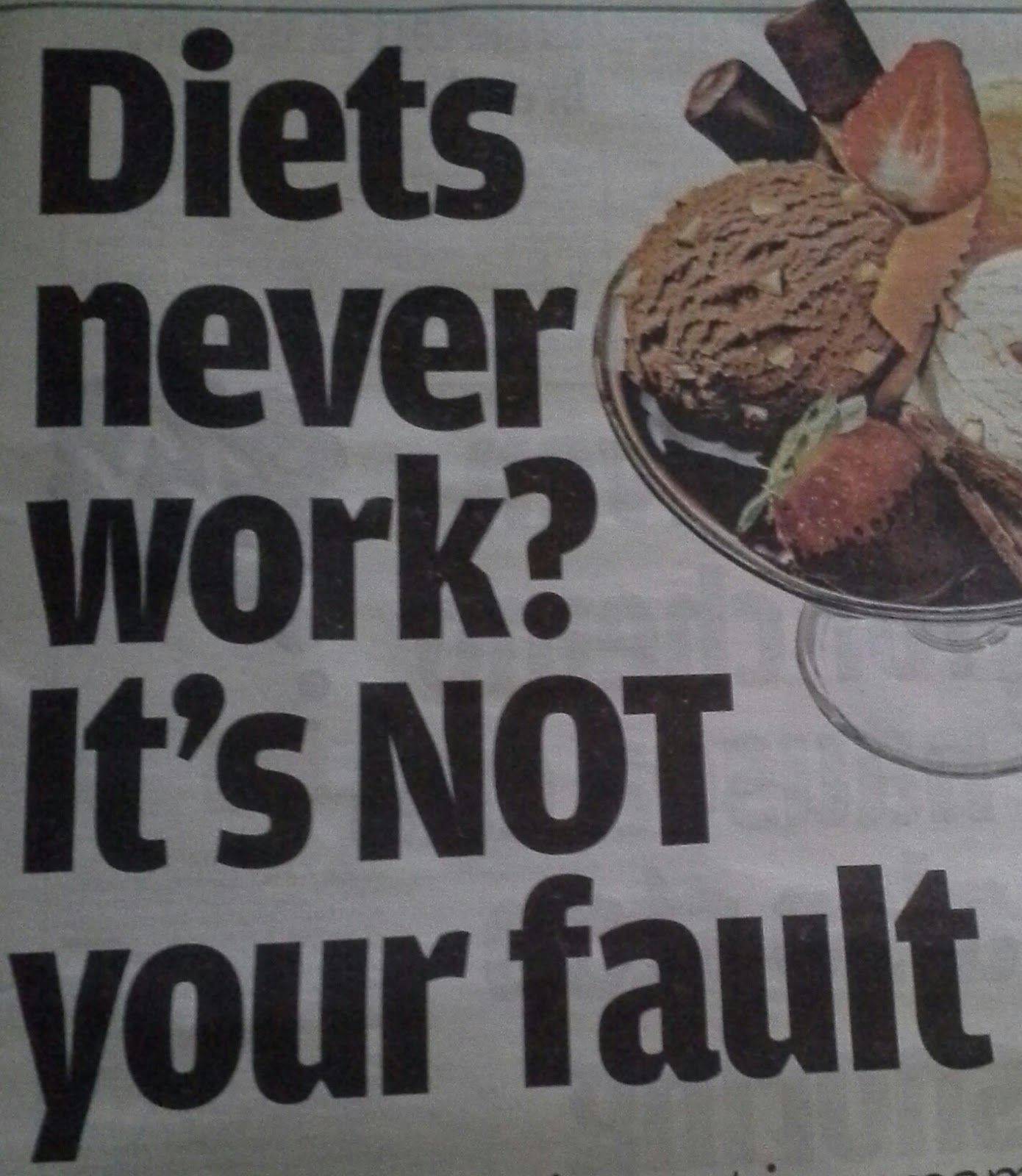
Dieting gained popularity in the UK in the 1980s and the 'diet industry' has become a very lucrative business, but as I said in my previous post, dieting rarely works because we return to bad eating habits over and over again. We've switched from eating in order to survive to eating in excess and much of what we eat is processed, as the saying goes: 'If it's a plant eat it, if it was made in a plant don't.'
Coconut oil seems to be the latest health fad and is being touted for its ability to help us lose weight, stave off illness and even prevent Alzheimer's but the jury is still out. Research thus far has consisted of short-term studies and nutritionists have said they need a lot more research before they can say it's a super food. As yet, no one knows how coconut oil will affect heart disease.
I'm always wary of foods with 'health halo's,' a generation ago we were decrying coconut oil or any saturated fats, yet we now know that trans fats (still found in a variety of food products) are the worst types of fat we can eat and are hazardous to our health!
We can also run away with the idea that if something is 'healthy' we can eat more of it and lose sight of portion control. We know that olive oil is unsaturated, however, it still needs to be used in moderation, coconut oil is 90 per cent saturated fat, about half of which is lauric acid which does have a number of health promoting properties, however, moderation is definitely the key.
The plus point with coconut oil is that it's a wonderful treatment for dry hair. I recently saw some coconut oil hair products in TK Maxx which were extremely expensive, far cheaper to melt some coconut oil from the pot you've bought for cooking and slather it on!
'The biggest seller is cookbooks and the second biggest is diet books - telling you how not to eat what you've just learnt to cook.'
- Andy Rooney.
Love Donna xxxxxxxx
Wednesday, 27 January 2016
Why Diets Don't Work.
How many different diets have you tried over the years? I ask, because personally I've done the Atkins, the cabbage soup, the 5 2, high fat, low fat......you get the idea.
It transpires that there is no 'one-size-fits-all miracle diet.' Recent intensive studies by a team of Israeli scientists have proven that peoples bodies react very differently to the same foods.
The key to weight gain/loss is blood sugar (glucose) we all need blood sugar for energy and most of it comes from carbohydrates. Our digestion breaks down carbohydrate into sugar, which is released into the blood stream. After eating foodstuffs such as bread, rice, pasta or potatoes, we see a slight rise in our sugar levels, which is normal. However, large and regular increases raise your risk of weight gain (hence the fad for low carb diets.)
30 years ago, scientists developed a way of measuring a food's effect on blood sugar which we now know as the glycaemic index (G I.) This system rated foods according to how they would push up blood sugar after eating, findings suggested that white bread or pasta would produce a rapid spike, whilst vegetables would release carbs more slowly.
Consequently, low G I diets became fashionable. However, having conducted trials on 800 volunteers, the Personalised Nutrition Project collected an impressive amount of data about the different, minute-by minute effect of food on each volunteer. The results were quite remarkable, several participants were surprised to find foodstuffs such as tomatoes, grapes, salmon, granola, yoghurt and other supposedly healthy foods, were causing spikes, whereas a caramel sundae with nuts or white rice with nuts was fine (in some instances adding fat to meals lowered the blood sugar response.) Generally the volunteers responded differently to the same foods, two participants had completely opposite responses to a banana and a cookie: the glucose response of one shot up with the cookie but stayed flat with the banana, and vice versa.
It trumps up, gut bacteria are the key. We all have gut bacteria and firmicutes ( vital for the body's various systems to communicate) vary in each of us. Foods rich in fibre help to keep firmicutes in a healthy balance with other gut bacteria. However, scientists believe that our highly processed, artificially refined diets are wiping out our number of stomach flora by more than a third.
One volunteer spent 10 days on a processed food diet, he started off with 3,500 bacterial species in his gut, dominated by firmicutes, once on the diet he rapidly lost 1,300 species. The imbalance of bacteria in our guts can have a direct effect on our glucose response to food, thus our weight!
I guess it's not surprising that given our modern Western diet, which is full of unnatural additives, salt and sugar, our guts don't stand a chance. Obesity here and in the USA is rife, yet in Mediterranean countries, where they still eat a diverse and natural diet, obesity is less of a problem.
It makes sense of the fact that our ancestors ate anything from bread and dripping to fatty cuts of meat, homemade cake and chips etc without gaining the weight we are currently gaining. Theirs was not a refined, processed diet but natural diverse ingredients in moderation.
I think the lesson I have learnt here is that it's better to eat a jacket potato with real butter or homemade hummus with traditionally made bread or eggs on toast with coffee than highly processed 'health foods' such as diet bars, muesli, sugary yogurts and juices etc. Because we don't cook from scratch, fewer and fewer of us are using medicinal herbs and spices in our diets, I recently wrote about the myriad of health benefits from eating black garlic, but how many of you cook using garlic, turmeric, ginger, cinnamon, basil or cloves, all commonly used in many cultures to help with digestive ailments.
I recently found a recipe for a infusion which is apparently good for colds and stomach ailments. I shall start on it tomorrow and let you know how I get on.
Homemade health juice
Recipe
1 small piece of ginger root, peeled and diced
2 teaspoons turmeric
1 litre water
1 bulb of garlic, peeled and cut into quarters
1 tablespoon of honey
Boil water and dissolve honey
Add other ingredients and remove from heat
Cover with a lid and leave to infuse for a couple of hours
Decant through a strainer into a sterilised bottle and refrigerate
Take 2 tablespoons on an empty stomach first thing in the morning and 2 tablespoons last thing at night
'We talk about 'gut reaction' 'gut instinct' and 'gut feeling' but how much do we really care for our guts?'
- Thomas Leith
Love Donna xxxxx
Labels:
Homemade health juice
Location:
Fareham, Hampshire, UK
Tuesday, 26 January 2016
Way Back Week.
Having Sunday tea at my aunties in the 70s with my brother and cousins
This past week, lots of folk have been changing their profile pictures on Facebook and sharing images of themselves as a child, this is known as #WayBackWeek.
I guess we're all rather nostalgic when it comes to looking back at old photos, we're filled with sentimental memories of childhood days and it can almost evoke feelings of homesickness.
Due to all this nostalgia, I joined a group this week called Catford and Lewisham-Way Back When..... I grew up in Catford and it has been interesting looking online at photos, past and present. Things have changed dramatically from my childhood, flats have replaced many of my childhood haunts such as Bellingham outdoor swimming baths. I posted a photo on the site of myself, my mother and a friend at Bellingham baths and have had an amazing response from many people reminiscing about those halcyon days. For a few pence, we children could go to the baths (packed off with a sandwich and a bottle of squash) for the whole day. People have commented that times were so uncomplicated then and that we were safe and loved without a price tag.
Myself, my friend Geraldine and my glamorous mother
I was born in the 1960s, a time of change and known as the decade of liberation for many women. The 40s and 50s had been an era of 'make do and mend' and women spent 11 hours a day, 7 days a week doing housework, with daughters helping, becoming housewives in training.
By the 60s, many homes had TVs and one in three households owned a car, fridges were replacing larders and women could do their weekly wash in a twin tub washing machine, hence they weren't quite as shackled to housework.
Many would contend that the 70s was a golden era, the perfect balance of convenience and family values before households were splintered by technology and women spending long hours in the workplace. Where now, we sit in the same room with family members but don't interact because we're welded to our smartphones, tablets or games consoles, the 70s was still very much an era of doing things together as a family, eating at the dining table, playing board games or watching the one household TV all together.
Statistics show that in 2015, the average Internet user spent over 20 hours a week online, added to which 70 per cent of Britons list shopping as one of their main leisure activities. By 1994 Sunday trading was legalised and people started shopping on a Sunday as opposed to going to church (in 1951 more than 50 per cent of children went to Sunday school.) Traditions such as the family roast and visiting family for tea started to wane and the most important things ie time spent with family and friends started to be replaced with consumerism and technology.
Personally (although we all tend to look back at our childhood through rose tinted glasses) I remember the 70s as being a great decade. My mother got a job which she loved, thus she didn't feel as suppressed, however, it was only during school hours so she was always at home for us. We had modern conveniences such as a TV, telephone and record player, we had central heating and comfortable furniture and we were getting more eclectic food wise, mum no longer had to buy her olive oil in the chemist and we would have a Chinese takeaway sometimes on a Saturday night as a treat. Everywhere still felt safe, my friends and I would dissappear all day to the lido or park, minus mobile phones! We played in the street as there was little traffic and at weekends we would go on picnics with extended family.
A typical picnic in the country complete with camping chairs and table (I'm the one in the trendy halter neck!)
As a way back recipe, I'd like to share bread and butter pudding, this was classed as a treat in many households, although it was literally a way of using up stale bread. It's so simple to make and for sheer deliciousness it's hard to beat (and ironically, has become popular in 'posh' restaurants.)
Bread and butter pudding
Recipe
12 thin slices of bread, buttered and cut into triangles
400g dried mixed fruit
2 large free range eggs
Large spoon marmalade, warm through in a microwave to create a glaze
350ml milk spoonful demerara sugar
Butter an ovenproof dish, arrange a layer of bread triangles on the bottom
Sprinkle with fruit and continue to layer bread and fruit
Beat eggs and milk and pour into dish
Heat oven 180c/gas 4
Pour marmalade glaze on top of the pudding
Place in the oven and bake for approximately 40 minutes until risen and golden
Serve immediately
'In the 70s, my children played in the street, read politically incorrect stories, ate homemade food and occasional junk and, yes, were sometimes smacked.'
- Laurie Graham.
Love Donna xxxxxxx
Labels:
Bread and butter pudding
Location:
Fareham, Hampshire, UK
Friday, 22 January 2016
The Tricks Of The Restaurant Trade.
Enjoying a glass of pre dinner wine in Nautilus restaurant, La Zenia Spain.
As a restaurant reviewer, I try to look for the good, rather than actively seek out the bad, but I have to tell you that the saying: 'The British know the cost of everything and the value of nothing' is rather pertinent regarding the majority of our eating establishments.
In the press this week, much has been made of the fact that high street restaurant chains are serving up ready meals. Many restaurants buy in from catering companies where the dishes are mass produced in Central kitchens, be it ready made omelettes, pies, curries, lasagne and desserts, these are then shipped out to a range of restaurants who appear to be 'cooking' the food on the premises, whilst in fact, much of it is simply microwaved. Even Gordon Ramsay was purported to be serving precooked, prepacked lamb shanks in mint gravy in one of his top restaurants.
Last weekend, we went to our local Beefeater pub/restaurant for a meal simply because we had accrued lots of points on our reward card and they were offering a main meal free for every main meal purchased. Things got off to a bad start when Glenn's pulled beef with Yorkshire pudding starter (clearly the beef was of the processed variety) came out stone cold, apparently the 'chef' had forgotten to microwave it. My prawn cocktail came without lemon, the devil is in the detail! And the flaccid slice of bread was obviously frozen and pre sliced (whatever happened to the baskets of warm bread rolls we used to be offered in restaurants?)
My sirloin was fatty, the chips were frozen oven chips, (which I don't even eat at home unless I'm really pushed,) and the salad was bagged. The meal for two of us with wine cost eighty pounds........EIGHTY POUNDS! (Fortunately we had our reward coupons and only had to pay twenty pounds, which I still begruged.)
But hey, the restaurant was jam-packed with happy punters having a gay old time, plates were cleared with gusto and lips smacked in well fed delight! I guess this is indicative of how we're eating in our own homes, if we are prepared to pay through the nose for shoddy ingredients when eating out, what are we cooking in our own kitchens?
No one likes eating out more than myself, I love the whole ritual, however, I want the food I'm paying for to at least be up to my own cooking standards, I want real ingredients, prepared and cooked by a chef on the premises. I don't want food that was made in a factory and has been reheated in a microwave.
Therefore, this weekend, much as I would love to sit in a restaurant and be waited on, I'm buying some delicious ingredients, battening down the hatches, lighting my Jo Malone pomegranate candles and leisurely preparing a lovely dinner to the strains of George Michael's symphonica album. I shall uncork a nice bottle of châteauneuf-du-pape, which I shall sip as I'm preparing my meal, and relish in the fact that I shan't be paying eighty quid for factory food.
Given that one of the things I abhor most in restaurants is oven chips, I do make the effort at home to cook 'proper' chips, however, it is a time consuming process. Quite often I make much simpler sweet potato chips.
Sweet potato chips
Recipe
2 large sweet potatoes, washed and peeled
1/4 cup of olive oil or melted coconut oil
A sprinkling of sea salt
1-2 teaspoons of sugar, this helps them to caramelise but is entirely optional
1-2 teaspoons of spice ie smoked paprika or cayenne pepper, again, entirely optional
Preheat oven 200c/gas 6
Cut potatoes into wedges or thin chips
Place in a large bowl and add oil
Mix the potatoes with your hands to ensure they are evenly coated
Sprinkle with salt (and sugar and spice if using)
Place chips on a preheated non stick baking sheet in a single layer
Bake for 25 minutes, turning after 15 minutes
Once browned serve immediately
'I had a missed call. It's probably the all-you-can-eat buffet calling to say, 'come back! We know you can eat just a little bit more!'
- Jarod Kintz.
Love Donna xxxxxxx
Wednesday, 20 January 2016
Give Us This Our Daily Bread.
A proper loaf of homemade bread made by my friend Jane.
When I was a little girl my mother made daily trips to our bakers for our daily loaf. Before high volume bread production, bread meant something that took time to make, it was a slow, crusty fermented product, extremely delicious and fresh, however, it would always be rock hard by the following day. Commercially made bread can stay 'fresh' for anything up to a couple of weeks, I know this because I have previously left a loaf in my cupboard, gone to Spain for a fortnight and come home to find the loaf unnaturally still springy.
For thousands of years, bread was made in the same way. Flour, water and salt combined with yeast as a raising agent. In 1961 a new method was developed, known as the Chorleywood process which reduced the time to make bread and the labour input.
This industrialised system meant bread could be mass produced from flour - to a sliced and packaged loaf in around 3 1/2 hours. Ingredients such as ascorbic acid, fat, emulsifiers, anti-fungal compound and 2-3 times the usual amount of yeast (compared to traditionally made bread) were added.
The extra yeast creates a large volume of gas and the process of mechanically mixing the ingredients has such a violent input of energy (thus releasing the gluten in the wheat very quickly) that the finished product is a spongy loaf. The true test is, if you push your fingers into the bread and it doesn't bounce back, you can be sure it's not traditionally made bread and is full of unnatural ingredients.
Soft, springy, mass produced bread which leaves indentations when pressed
And don't be fooled by the variations of wholemeal, granary, seeded etc
The Chorleywood process is now used to make 80% of the UK's bread and is a culinary and digestive disaster. We're abandoning bread due to it's cause of bloating and irritable bowel syndrome, not to mention many of us now deem we're gluten intolerant (although very few people have actually been diagnosed with coeliac disease.) Basically, industrial bakers and millers - who foisted the health related problems with bread on us - are using it to make money in a different sphere. The gluten free industry is worth £238 million in Britain, yet, real bread, made using the traditional proving method (which can take hours - or often overnight) is still far better for us than highly processed 'gluten free' bread.
Back in biblical times there was a saying: 'bread is life', and certainly when I was a child it was a staple and a good source of nutrition. Baking your own bread is really the best way to ensure you are eating the real thing, failing that it is worth trying to source a local artisan baker or visit a country market.
Homemade bread
Recipe
1 1/2kg wholemeal flour
Handful of self raising flour
Dessert spoon of salt
Dessert spoon of sugar
5 dessert spoons of vegetable oil
4 teaspoons easy blend yeast
Mix all dry ingredients, add 2 pints of tepid water
Work together until you have a dough mixture
On a floured surface, knead dough for 15 minutes
Split dough into 3 portions and place in greased loaf tins
Leave in a warm place to prove for at least 2 hours
Preheat oven 170c/gas mark 3
Place tins in oven and cook for 45 minutes -1 hour
Leave to cool before removing from tins
'How can a nation be great if its bread tastes like Kleenex.'
- Julia Child
Love Donna xxxxxx
Tuesday, 19 January 2016
Let Food Be Thy Medicine
Although Hippocrates, the father of modern day medicine famously stated: 'Let food be thy medicine, and medicine be thy food' many of us eat unhealthily. Our modern Western diet consists of many sugar, salt and preservative laden ingredients and quite often we rely on pharmaceutical drugs to undo the damage. Progressive doctors, such as my own, are now increasingly prescribing a healthy diet and lifestyle rather than medication as long term tools for helping patients become vibrantly well.
Many years ago when my father was prescribed a particular medication, I remember his surgeon saying, whilst it would help his immediate condition there would probably be side effects, he then went on to say (and it chilled me to the bone) 'Nothing in medicine comes free!' Many pharmaceutical drugs are counterproductive, treating one ailment whilst incurring another, and most of us are aware that we are now facing the significant threat of antibiotic resistance.
Of all the foods mother nature provides, garlic has been scientifically proven to be a natural antibiotic, used for its health potential for anything from clogged arteries to ear infections - it cleanses the body of heavy metals and has been used effectively in fighting more than 150 diseases.
I was recently introduced to black garlic which has been proven to be more effective than fresh white garlic. Studies have shown that black garlic can reduce the size of tumours and has twice the antioxidant levels. Mandarin oil painter Choo Keng Kwang experienced a complete reversal of his debilitating psoriasis after just 4 days of eating half a bulb of black garlic a day, this, after trying countless prescribed alternatives that were all complete failures.
Black garlic is fermented in humidity controlled environments, there are no additives, no preservatives.....just pure garlic. Unlike the pungency of fresh garlic, black garlic (which is best eaten raw) is soft and chewy in texture, with flavours reminiscent of soy sauce and sweet prune. It has grown in popularity amongst even the most avid garlic-haters who are amazed by both its taste and health potential.
When I recently returned from Spain, I immediately started to feel run down and felt the onset of a cold. I went and bought several bulbs of black garlic and have been eating a few cloves each day, thus far I seem to have staved off my cold, added to which, the few nasty insect bites I sustained whilst in Spain (which normally take a couple of weeks to heal) have vanished, leaving no scarring.
Like many people, I don't live on a diet of health foods per se, I try to avoid processed food but it's all around us, every dollop of mayonnaise, every slice of shop bought bread, every oven chip or bagged salad contains sugar, salt and chemicals. If a few cloves of garlic can counteract some of the nastiness of our everyday foods, it's surely worth it!
'You think I can't get it up anymore, maybe? Let me tell you, you eat enough garlic and it stands up every time!'
- Alberto Vitale
Love Donna xxxxx
Subscribe to:
Posts (Atom)